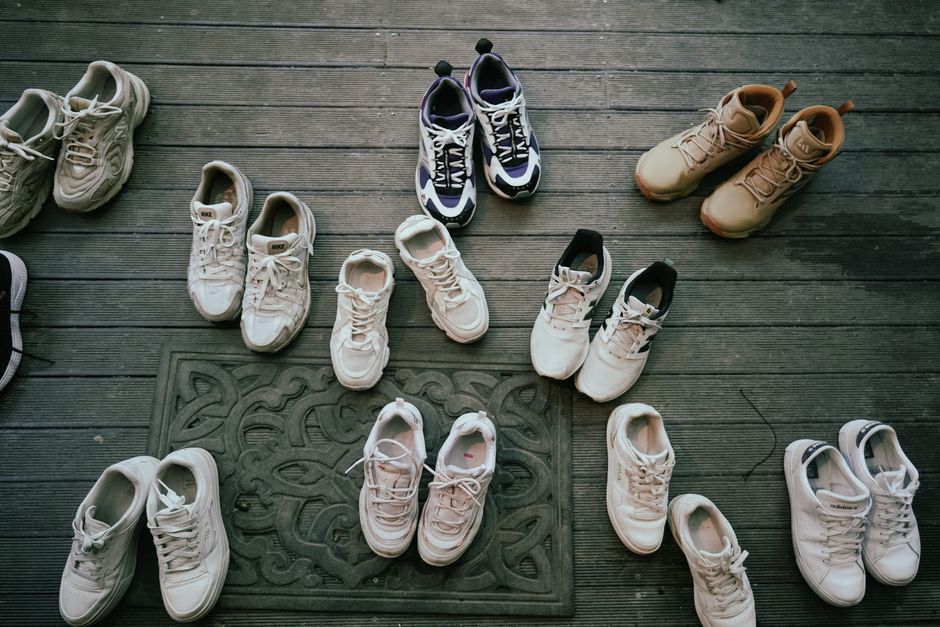
The Best Sneakers for Summer 2025: Style and Comfort
As temperatures rise and daylight hours stretch, the selection of footwear often shifts toward options that allow the feet to breathe while providing reliable support throughout the day. Sneakers have long been a staple for warm-weather wardrobes, offering a blend of casual aesthetics and functional design. For the summer of 2025, the focus on breathability, cushioning, and street-ready style continues to shape the development of new models, with manufacturers investing in advanced materials and construction techniques.
Choosing a suitable pair involves understanding how different components—such as uppers, midsoles, and outsoles—work together to manage heat retention, moisture, and impact forces. This article examines the key factors that define a well-rounded summer sneaker, explores the cushioning technologies expected to be prominent, and outlines the stylistic directions likely to appear in the coming season. By considering these elements, readers can develop a clearer perspective on what makes a sneaker appropriate for warm-weather use without relying on definitive recommendations.
Breathability and Material Selection
The upper of a sneaker plays a central role in determining airflow and moisture management. Mesh and engineered knit fabrics have become common choices for summer models because they allow air to circulate freely around the foot. These materials are often constructed with varying densities to balance ventilation with structural integrity. Some manufacturers incorporate perforated synthetic leathers or woven textiles that provide additional durability while still enabling heat to escape.
In recent years, the development of monofilament meshes and open-knit structures has allowed designers to reduce weight without sacrificing strength. The placement of ventilation zones is also carefully considered, with larger perforations placed in areas prone to perspiration, such as the toe box and the midfoot. While these design choices can contribute to a cooler interior environment, the overall effectiveness depends on factors like the thickness of the lining and the presence of moisture-wicking layers.
For individuals who spend extended periods outdoors, the ability of the upper materials to dry quickly after exposure to water or sweat becomes another consideration. Many brands now use quick-drying synthetics or treated cottons that resist water absorption. These treatments are not a guarantee of waterproofing but can reduce the feeling of dampness during high-humidity conditions.
Cushioning and Support in Warm Weather
The midsole is the primary component responsible for absorbing shock and providing a sense of comfort underfoot. In warmer conditions, the behavior of cushioning materials can change, as certain foams may soften or become more responsive when exposed to higher temperatures. Understanding these properties helps in evaluating how a sneaker might perform over the course of a summer day.
EVA (ethylene-vinyl acetate) based foams are widely used due to their lightweight nature and moderate compression resistance. More advanced formulations, such as polyurethane blends or thermoplastic elastomers, offer improved energy return and durability. Some midsoles incorporate air pockets, gel inserts, or spring-like structures that aim to enhance impact attenuation without increasing weight. The choice of cushioning system often influences the overall feel of the sneaker, ranging from plush to firm, and affects how the foot is supported during walking or running.
It is worth noting that cushioning alone does not determine comfort. The shape of the footbed, the arch support, and the flexibility of the sole all contribute to how a sneaker accommodates natural foot movement. A well-balanced design integrates these elements so that the wearer experiences a stable yet adaptive platform. However, individual preferences and biomechanics vary, meaning that no single cushioning configuration is universally ideal.
Style Trends for Summer 2025
Aesthetic preferences for sneakers continue to evolve, and the summer of 2025 is expected to feature a mix of nostalgic references and forward-looking details. Color palettes are likely to include soft pastels, muted earth tones, and occasional bursts of neon accenting. These choices often reflect broader fashion trends that emphasize subtle versatility or bold statement pieces depending on the intended use.
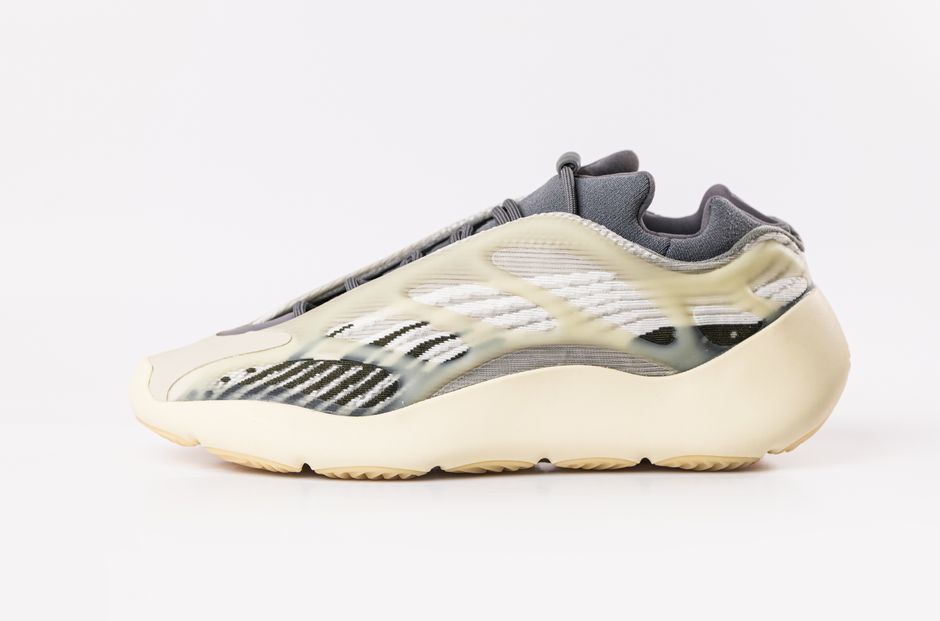
Silhouette preferences appear to be moving toward lower-profile designs that integrate seamlessly with both shorts and lightweight trousers. Slip-on and laceless constructions are gaining traction for their convenience, while classic low-top shapes remain a consistent favorite. Retro-inspired models, particularly those with chunky outsoles or layered panels, may continue to be reinterpreted with modern materials. The interplay between vintage looks and contemporary performance features is a recurring theme in many upcoming releases.
Street-ready aesthetics often involve details such as contrasting stitching, translucent outsoles, and deconstructed paneling. These elements can create visual interest without compromising functionality. The choice of color blocking and material combinations allows wearers to express personal style while still benefiting from the technical properties of the sneaker. It is important to note that trends are subject to change based on cultural influences, and individual preferences may align with different directions.
Evaluating Summer Sneakers: A Practical Approach
When considering a sneaker for summer use, a methodical evaluation of certain attributes can provide useful insights. The weight of the sneaker is a primary factor, as lighter models generally reduce fatigue during prolonged wear. Weighing the sneaker or checking manufacturer specifications can help in comparing options. Similarly, the flexibility of the sole and upper can be assessed by bending the sneaker manually and observing how it responds.
The closure system is another aspect worth examining. Laces offer adjustability but may loosen during activity, while elastic bands, straps, or BOA dials provide a more consistent fit. The internal padding and heel counter should hold the foot securely without causing irritation. Ventilation can be tested by holding the sneaker up to a light source to see the density of the mesh or by wearing it in a warm environment for a short period.
Finally, considering the outsole pattern and rubber compound helps in understanding traction on different surfaces. Summer often involves walks on pavement, grass, or uneven terrain, so a versatile tread pattern may be beneficial. While these criteria can guide the selection process, the ultimate suitability of a sneaker depends on individual needs, activities, and environmental conditions. No single model can claim to be the best for everyone, but a thoughtful evaluation can lead to a more informed choice.